If there’s one experience in Northern Thailand that completely changed the way I travel, it was hill tribe trekking in Chiang Mai.
After weeks of island hopping and slower travel, I was craving something more immersive – something that pushed me out of my comfort zone and deeper into local culture. As someone who’s spent years travelling solo and building a life around slow, meaningful travel, I’m always searching for experiences that go beyond the surface. The kind where you don’t just see a place – you feel it, connect with it, and leave with a deeper understanding of the people who call it home.
By the time I reached Chiang Mai, I was craving something more grounding. Less beaches and cocktails, more culture and connection. So when I saw hill tribe trekking tours on offer, I knew it was exactly what I was craving; trekking through the mountains, staying with hill tribe communities, and disconnecting from everything.
But here’s the thing: Chiang Mai trekking can either be incredible… or disappointing – depending on how you book it. There are hundreds of tours, and not all of them are ethical, authentic, or even that enjoyable.
So in this guide, I’m sharing:
- My personal experience of Chiang Mai hill tribe trekking
- What it’s actually like (not the Instagram version)
- How much it costs + what to expect
- And the best ethical trekking tours to book
Hill Tribe Trekking in Thailand – Your Local Experience Guide:
- What Is Hill Tribe Trekking in Thailand?
- My Chiang Mai Hill Tribe Trekking Experience
- Trekking Through Northern Thailand
- Best time for Chiang Mai trekking
- Staying in a Hill Tribe Village
- Exploring Northern Thailand's Villages, Views + Waterfalls
- How Much Does Chiang Mai Hill Tribe Trekking Cost?
- The Best Chiang Mai Trekking Tours to Book
- Responsible Travel Matters
- FAQs: Chiang Mai Trekking
Get your Thailand essentials!
|
What Is Hill Tribe Trekking in Thailand?
Hill tribe trekking in Thailand is exactly what it sounds like – a multi-day hike through the mountains of Northern Thailand, usually based around Chiang Mai trekking routes, where you:
- Hike through jungle and farmland
- Stay overnight in remote hill tribe villages
- Learn about local culture and traditions
- Eat home-cooked Thai meals
- Disconnect from modern life completely
Before I dive into my experience, it’s worth understanding what Chiang Mai trekking actually involves – because it’s not just a hike. It’s a chance to step into a completely different way of life.
You’ll spend your days trekking through mountains and farmland, and your nights staying in remote hill tribe villages, sharing meals, stories and space with local families. It’s simple, raw and completely stripped back – and that’s exactly where the magic is.
Most treks visit communities such as the Karen hill tribe, Hmong, Lahu or Akha, but not all tours are created equal. As someone who cares deeply about responsible travel, I think it’s so important to choose experiences that support local communities, rather than exploit them. Done right, hill tribe trekking can be an incredible way to connect with people and culture. Done badly, it can feel uncomfortable and transactional.
You might think it is just a tour, but where you choose to spend your money is most powerful way of impacting local communities, make sure that the impact you leave behind is a positive one. The best experiences now focus on supporting local communities directly, cultural exchange (not exploitation) and small group, low-impact travel. That’s why I’ll also share the best ethical tours to book later in this guide. Don't have time to read the whole guide? Here's the quick links to book the two tours I recommend:
If you're interested in travelling Northern Thailand responsibly, you might want to check out my other guides to Ayutthaya, Elephant Nature Park in Chiang Mai and Slow boat from Thailand (Pai) to Laos for inspiration for your slow travel in Thailand and beyond. I also spent a lot of time exploring the rest of Thailand, don't miss my extensive guides to 5 Ways to Experience Bangkok Like a Local, Exploring Khao Sok National Park and 25 AMAZING things to do in Koh Lanta, Thailand.

My Chiang Mai Hill Tribe Trekking Experience
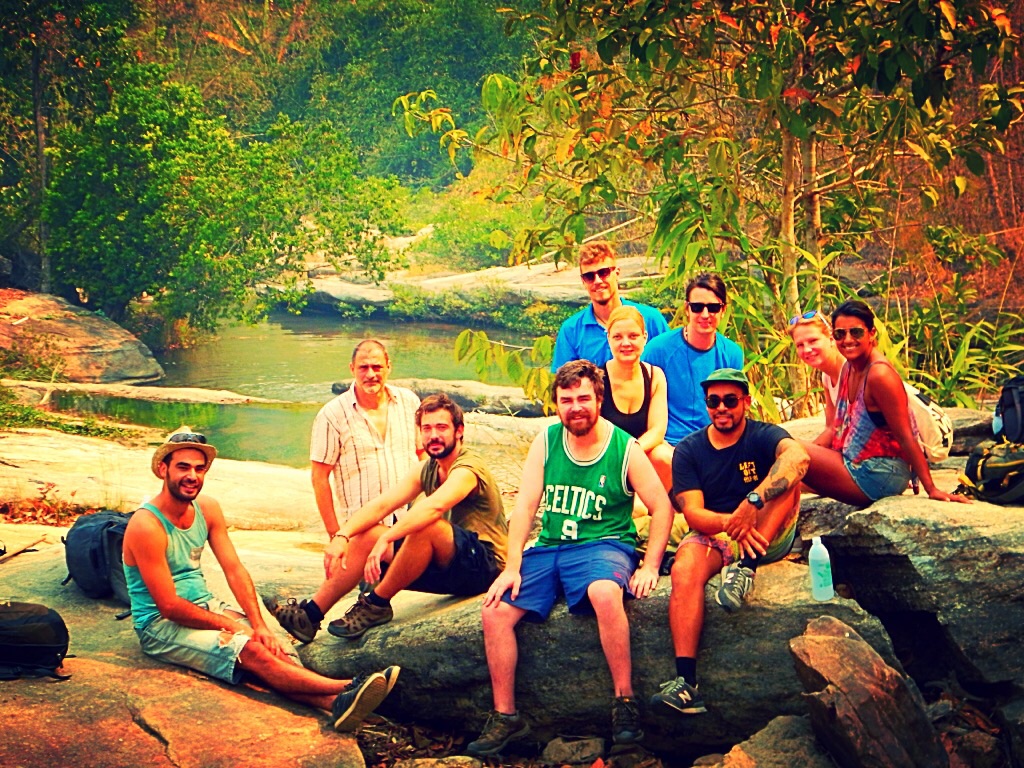
I arrived in Chiang Mai and checked into a laid-back backpacker spot near one of the old city gates – the kind of place where it’s easy to meet people, swap stories and fall into spontaneous plans. That evening, I met my trekking group. A mix of travellers from Germany, Australia, Ireland, France and Malta — all different ages, all travelling in different ways, but all looking for the same thing: a bit of adventure and something real. That’s one thing I love about group experiences as a solo traveller. You arrive alone, but you rarely stay that way for long. After a night wandering the local food market (which, by the way, is an experience in itself — Chiang Mai’s night markets are incredible), we headed to bed ready for an early start.
Trekking Through Northern Thailand
Once we reached the national park, we grabbed a quick lunch and set off on our first trek. I’ll be honest – I was expecting something a bit more physically challenging. Having done longer hikes in places like Khao Sok, this felt relatively easy. But what it lacked in difficulty, it made up for in atmosphere and experience.
I visited during the dry season, so the jungle wasn’t that lush, vibrant green you might picture. The landscape felt more muted, almost smoky in places where farmers were using controlled burning to clear the land. It’s definitely something to consider when planning your trip, the experience changes a lot depending on the time of year.
But even so, there’s something about walking through those landscapes, with nothing but the sound of your footsteps and the occasional chatter of your group, that pulls you right into the moment as you spot wildlife and hear birdcalls through the trees. After a few hours, and one final steep, smoky climb, we reached our first village.
Best time for Chiang Mai trekking:
If you're not sure whether to book hill tribe trekking when you visit Northern Thailand, it might help to know what you can expect seasonally:
- June to October (green, lush, more waterfalls)
- November to February (cooler, but drier)
Staying in a Hill Tribe Village
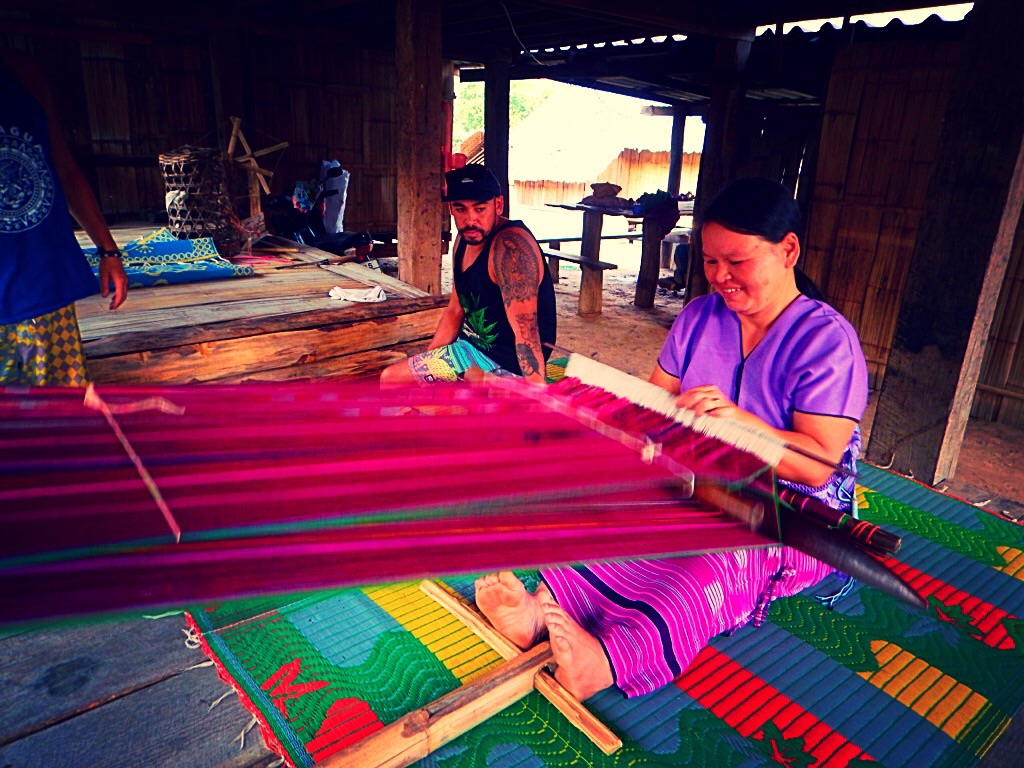
This is where the experience really shifts. The village was made up of simple wooden huts with dried banana leaf roofs, scattered across the hillside. Animals wandered freely – pigs, goats, dogs – and life moved at a completely different pace. We spent the afternoon exploring, watching local women weaving, preparing the evening meal, and just quietly observing daily life.
And this is something I always try to emphasise with slow travel: you don’t need to do much – just being present is enough. This was honestly one of my favourite parts of the entire experience.
That evening, dinner was cooked over an open fire in one of the huts. No modern kitchen, no fuss – just fresh ingredients, simple techniques, and some of the best food I had during my time in Thailand. We sat together, ate, drank a few beers, and ended up around the fire learning Thai songs (badly, but enthusiastically). It was one of those nights where nothing particularly extraordinary happens – and yet it’s exactly the kind you remember.
We slept in a communal hut on basic bedding and a thin mattress. It wasn’t comfortable by any stretch, but that’s part of the experience. You’re stepping into a different way of living.
Exploring Northern Thailand's Villages, Views & Waterfalls
The next day felt slower. We trekked to another village, this one belonging to our guide, where we stopped for lunch overlooking rice fields and hazy mountain views. It was one of those moments where you just pause to take it all in, and realise how far removed you are from everyday life.
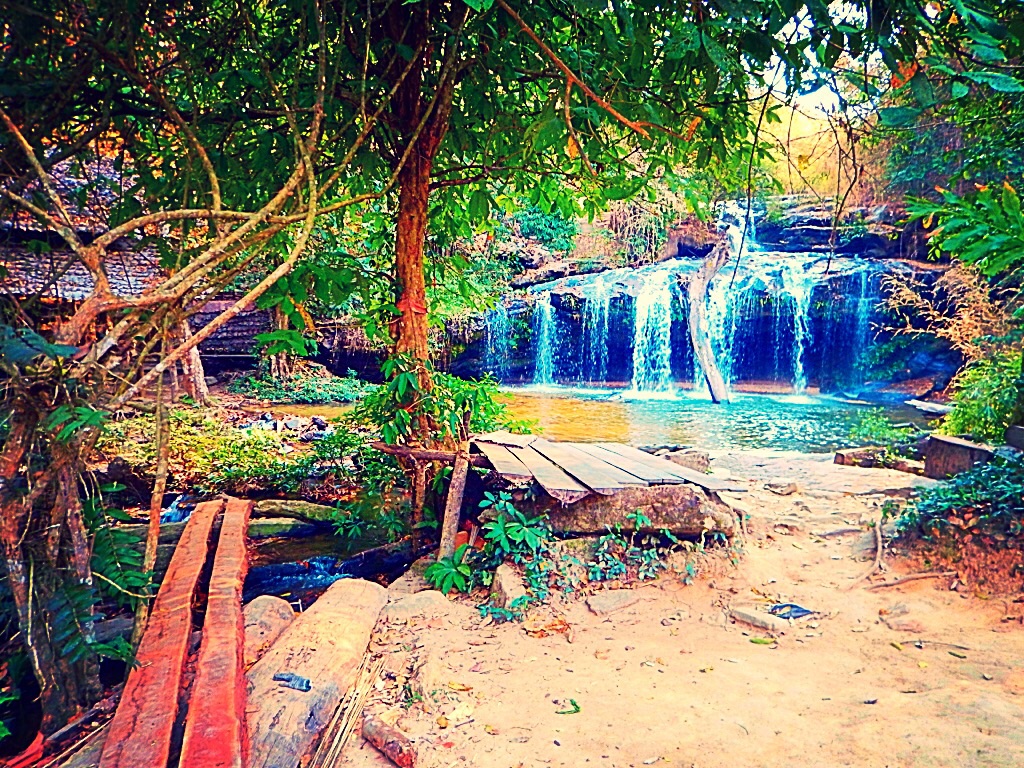
From there, we continued down towards our next overnight stop: a waterfall. And honestly, this was one of my favourite parts of the entire trip. After a hot, slightly sweaty trek, arriving at flowing water felt like a reward. We had low expectations given the dry season, but this waterfall was still running, and yes, freezing.
Cue an evening of campfire chats, shared food, a slightly questionable midnight swim, and the kind of laughter that comes from being completely out of your comfort zone. That night, I slept in a small bamboo hut – until I woke up to find three cats had somehow joined me and were cuddled up to me. Still no idea how they got in (and we won't mention how allergic I am!).
The final day started with a morning bamboo of rafting down the river – splashing each other, racing, and soaking up those last few moments of being completely disconnected. And then, just like that, it was over. Back into a van, back to the city, back to noise, phone signal, and normal life.
How Much Does Chiang Mai Hill Tribe Trekking Cost?
One of the best things about hill tribe trekking in Thailand is that it’s still relatively affordable, especially for what you experience. Most tours fall within:
- £60–£120 for a 2-day trek
- £100–£180 for a 3-day trek
This usually includes transport, food, accommodation and a guide. But from experience, I’d say this: Don’t just go for the cheapest option. Look for ethical, community-led tours that prioritise responsible travel.
The Best Chiang Mai Trekking Tours to Book
If you want that deeper, more meaningful experience – these are the two tours I’d recommend:
2-Day Hidden Jungle Trek & Hill Tribe Stay
Spend two days trekking with a Karen family through their privately owned land. Hike hidden trails, swim in waterfalls, and share meals and stories around a campfire in a place few outsiders see. Perfect if you’re short on time but still want a taste of Chiang Mai hill tribe trekking. Your hosts are not just guides, but stewards of the forest, fields, and waterfalls that surround their village. Every trail you walk, every waterfall you swim in, and every meal you share is part of their home.
3-Day Karen Hill Tribe Immersion
Step into Karen culture on this 3-day jungle trek through private lands in Doi Inthanon. Hike, swim, cook by fire, and connect with local families in mountain villages. You’ll live, eat, and share stories with Karen hill tribe families in villages that are part of their ancestral land. Run entirely by a local Karen family, this experience goes far beyond sightseeing. All trails, campsites, and waterfalls are 100% community-owned, offering rare access to land that most travellers never reach. This is the one I’d personally choose, it offers more time for connection, and to travel a little deeper.
Responsible Travel Matters
As someone who’s passionate about authentic, slow travel, this is the most important part of the entire experience. Hill tribe communities are not tourist attractions. The best trekking tours work directly with local families, respect cultural boundaries, and support communities financially and sustainably.
When done right, this isn’t just a trek, it’s a genuine cultural exchange. This part really matters: not all hill tribe trekking in Thailand is ethical. When booking, look for tours that work directly with local communities, pay fair wages and avoid “human zoo” style tourism. Both tours above follow more responsible tourism practices, which is why I recommend them.
Hill tribe trekking in Chiang Mai isn’t about ticking off a bucket list activity. It’s about slowing down and allowing yourself to experience a place in a completely different way. For me, it was a reminder of why I travel the way I do. If you’re someone who values connection, culture and meaningful experiences, this is one you shouldn’t miss.
FAQs: Chiang Mai Trekking
Is hill tribe trekking worth it?
Yes – if you book the right tour. It’s one of the most unique cultural experiences in Thailand.
How difficult is Chiang Mai trekking?
Mostly easy to moderate. You don’t need to be super fit.
What should I wear?
- Lightweight clothes
- Good trainers or hiking shoes
- Layers for evenings
- Swimwear for waterfalls
Can you just turn up and book?
You can, but I strongly recommend booking ahead, especially in peak season.